
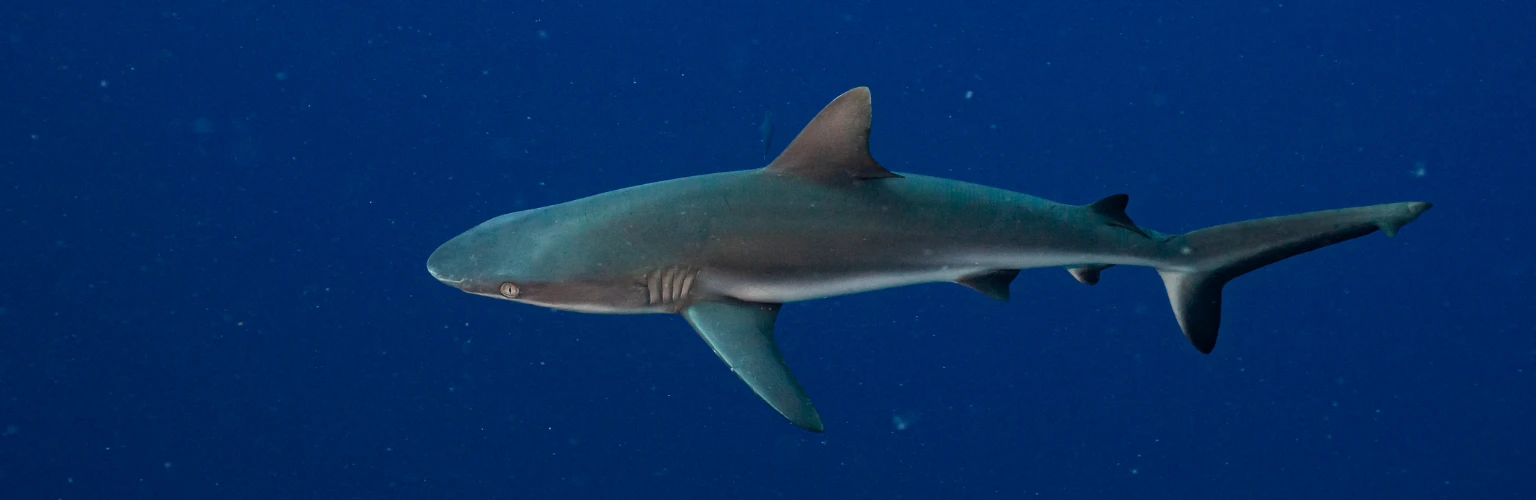
Palau is one of the few places on Earth where sharks still shape the experience more than crowds do.
Protected waters, mass fish spawning and extraordinary dive sites make this island nation feel like the last true shark kingdom.
More Sharks Than Tourists - Palau, Where Sharks Still Rule
More sharks than tourists
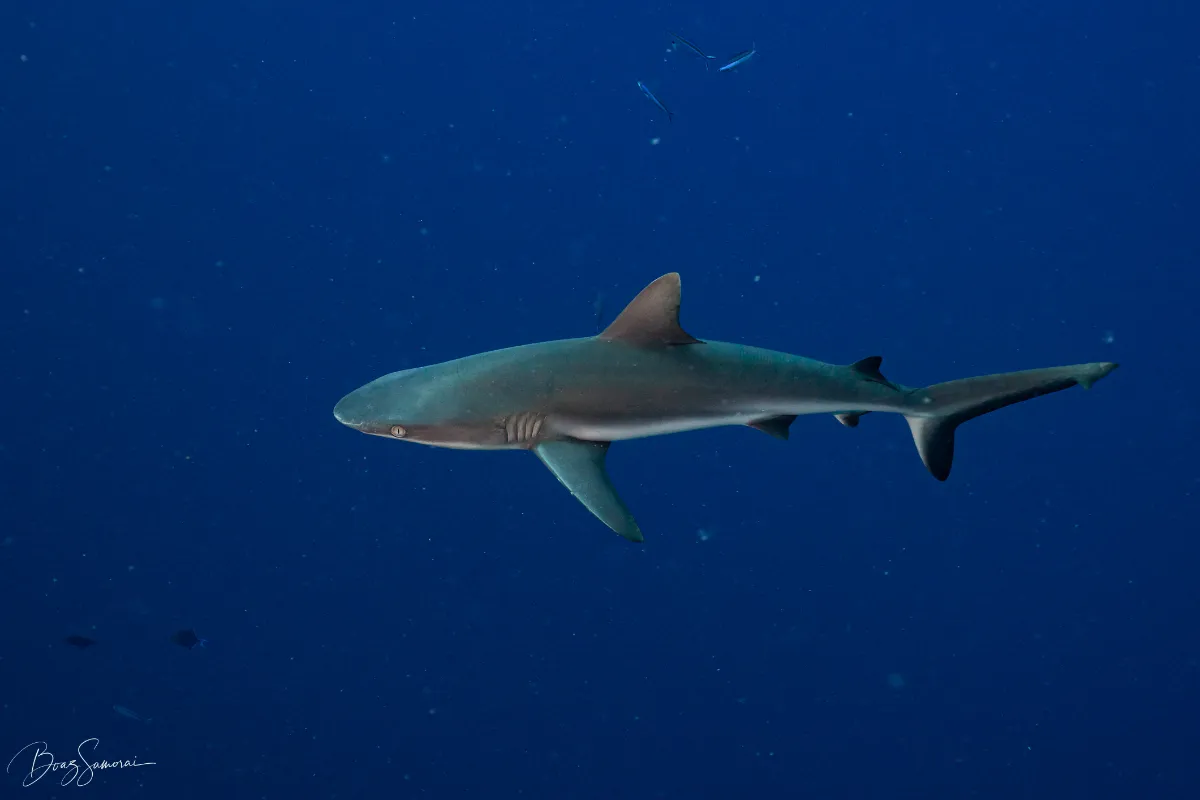
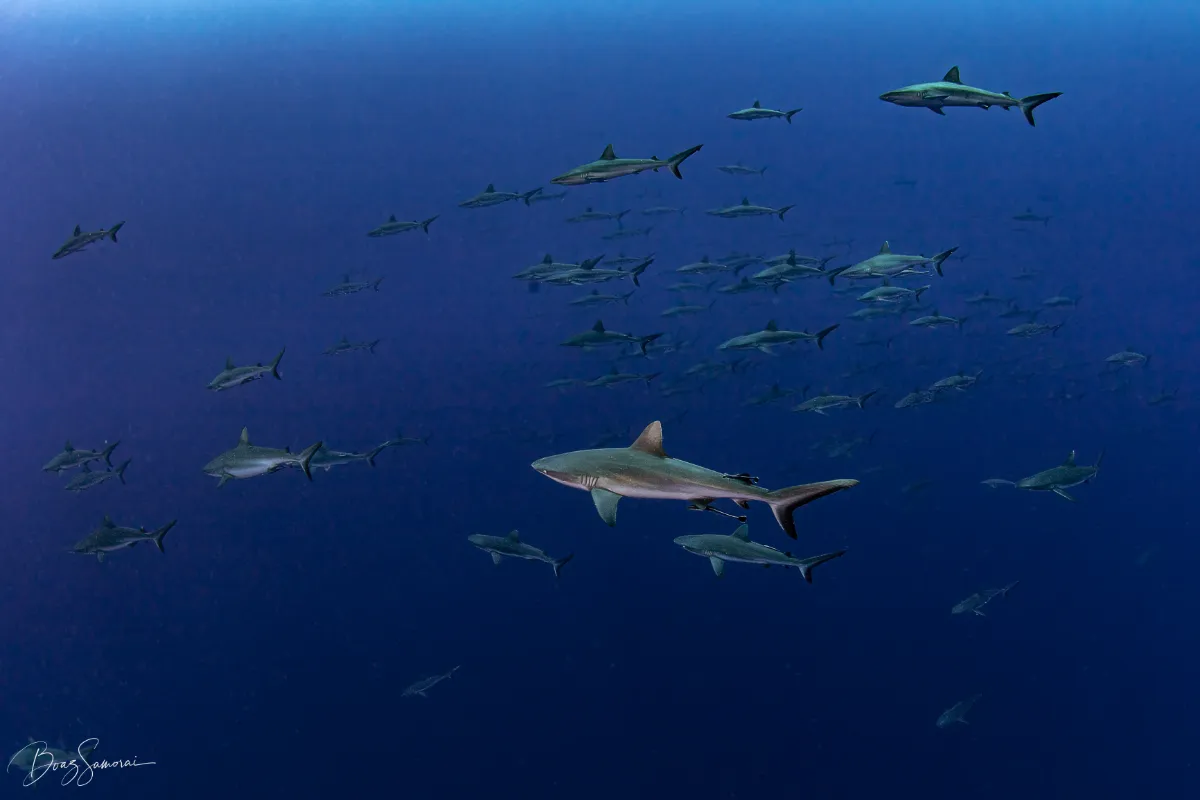
Palau is one of the few places on Earth where the locals are outnumbered by sharks. This tiny island nation in the western Pacific has a population of just 18,000, and its waters hold one of the densest shark populations anywhere. More sharks than tourists is not a marketing gimmick here, it is simply how things are.
Why sharks gather here
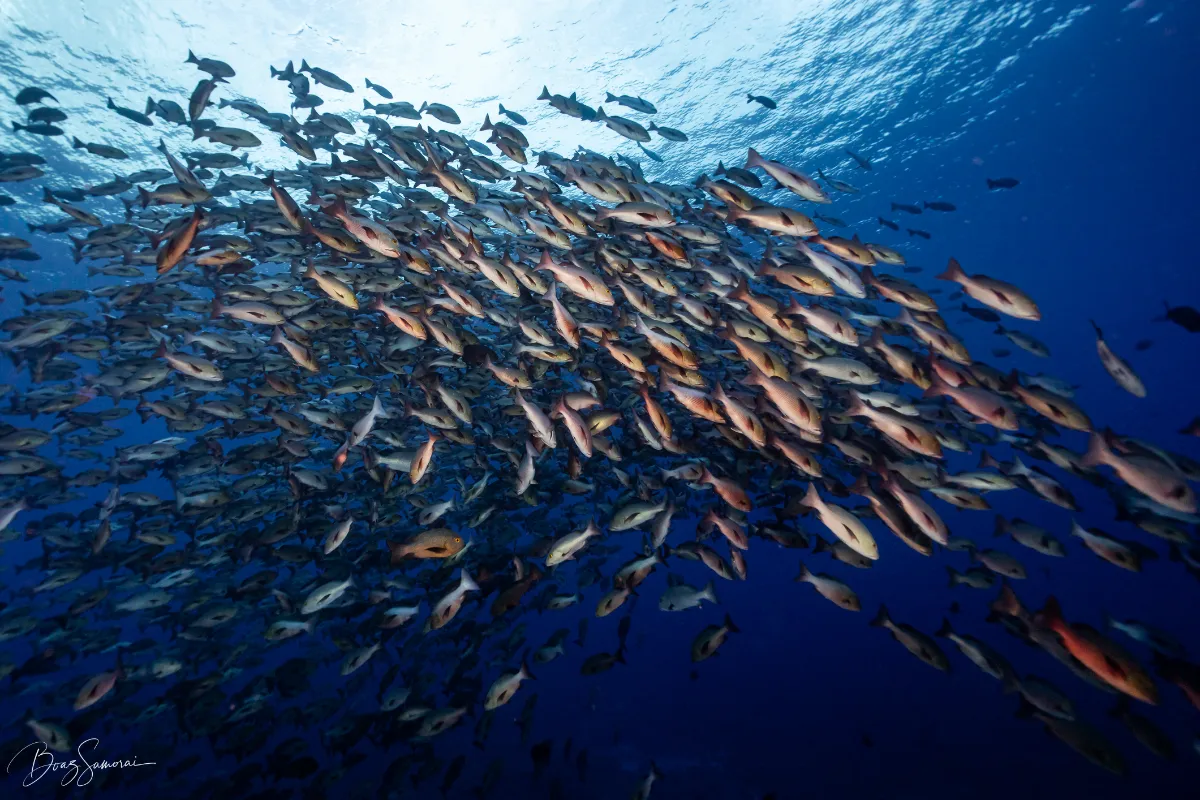
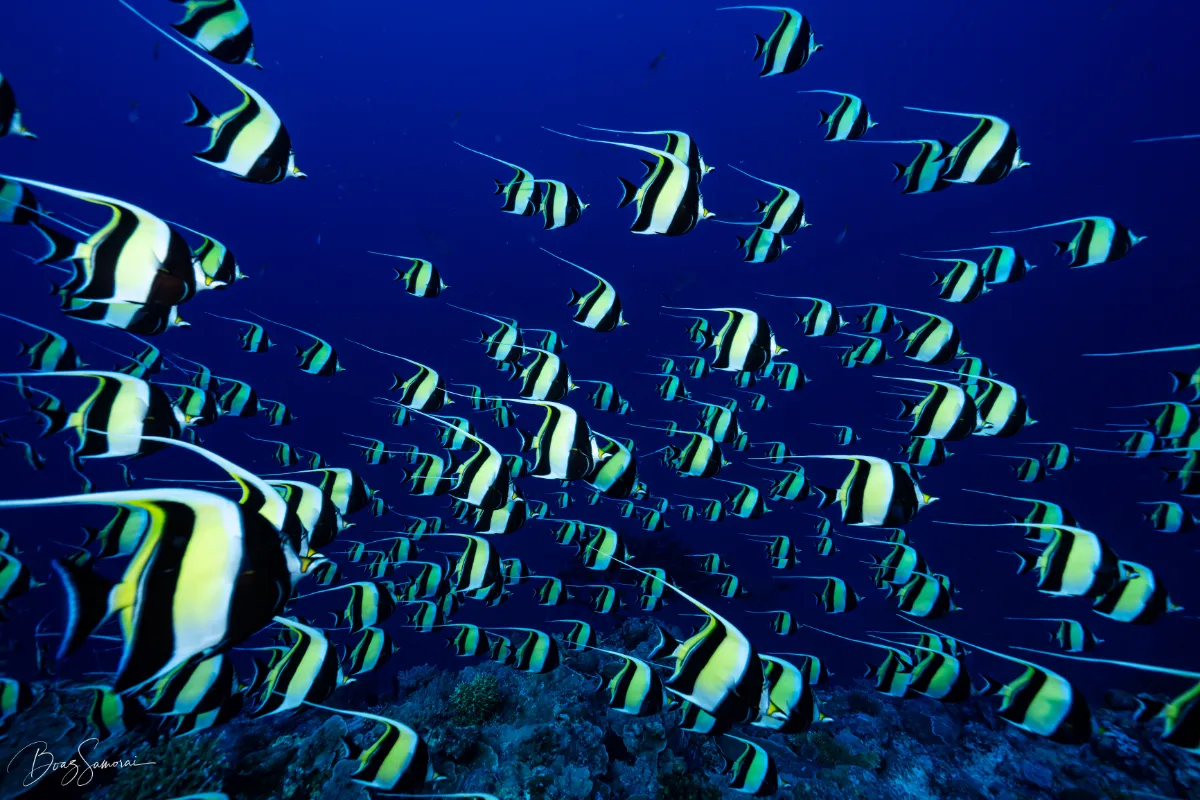
The secret lies in the fish. Palau sits on a network of spawning aggregation sites where thousands of snapper, moorish idols and other reef fish gather in enormous schools to breed. And where the bait goes, the hunters follow. Grey reef sharks, white-tips and black-tips patrol the aggregation sites, joined from time to time by true ocean wanderers such as hammerheads and the rare oceanic white-tip. During the Moorish Idol (Zanclus cornutus) spawning in 2023, an event so spectacular it drew a BBC camera crew, divers counted hundreds of sharks circling among the spawning fish. Nothing quite like it has ever been documented anywhere else.
Protected by policy
Palau's abundance is no accident, it is policy. In 2009 the country became the first nation on Earth to declare its waters a shark sanctuary, banning shark fishing outright and outlawing the trade in shark products. The Palau National Marine Sanctuary followed in 2020, closing 80 percent of the country's exclusive economic zone to fishing entirely. It is rare to see a government put protection ahead of profit so clearly, and divers get to enjoy the payoff.
Getting there
Getting there is easier than you might expect. China Airlines flies from Frankfurt to Taipei and also offers service from Vienna to Taipei. From there, it is just a short onward flight to Koror on the Taipei to Koror route. One stop, one ticket, and you are standing at the gateway to the world's biggest shark paradise. The sharks are already looking forward to your arrival.
Mehr Haie als Touristen - Palau, wo der Hai noch König ist
Palau gehört zu den wenigen Orten der Welt, an denen Haie noch immer das Bild prägen und nicht die Menschenmassen.
Geschützte Gewässer, massive Fischaggregation und spektakuläre Tauchplätze machen den Inselstaat zu einem echten Königreich der Haie.
Mehr Haie als Touristen
Wer nach Palau fliegt, braucht keine Angst vor Menschenmassen zu haben. Der Inselstaat im Westpazifik zählt gerade einmal rund 18.000 Einwohner. Und mit ihnen teilen sich die Meere ein Publikum, das es nirgendwo sonst auf der Welt so zahlreich gibt, Haie. Mehr Haie als Touristen, das ist in Palau keine Übertreibung, sondern Alltag.
Warum sich hier so viele Haie sammeln
Der Grund ist ein Naturphänomen, das Taucher nur an wenigen Orten der Erde erleben. Wenn sich Tausende Schnapper, Riffbarsche oder Fahnenfische zum Laichen versammeln, folgen ihnen die Jäger. Graue Riffhaie, Weißspitzen- und Schwarzspitzenhaie patrouillieren an den Aggregationsplätzen, immer wieder gesellen sich auch Hochseearten wie Hammerhaie oder der seltene Weißspitzen-Hochseehai dazu. Bei der Moorish-Idol-Aggregation (Zanclus cornutus), die 2023 sogar ein BBC-Kamerateam anlockte, wurden Hunderte Haie beobachtet, die zwischen den laichenden Fischen kreisten. Ein Schauspiel, das weltweit einmalig dokumentiert wurde.
Schutz durch Politik
Dass Palau diese Fülle bewahrt hat, ist kein Zufall, sondern Politik. Bereits 2009 erklärte der Inselstaat als erstes Land der Welt seine Gewässer zum Haischutzgebiet. Seitdem gilt ein striktes Fangverbot für Haie, der Handel mit Hai-Produkten ist untersagt. Mit dem Palau National Marine Sanctuary folgte 2020 die Krönung. 80 Prozent der ausschließlichen Wirtschaftszone sind seither No-Take-Zone, in der nicht gefischt werden darf. Selten zeigt ein Land so klar, dass Schutz vor Profit geht, und Taucher ernten die Früchte.
Anreise
Und die Anreise ist einfacher als gedacht. China Airlines bietet Verbindungen von Frankfurt nach Taipeh und auch von Wien nach Taipeh. Von dort geht es in rund vier Stunden weiter nach Koror auf der Route Taipeh nach Koror. Ein Umstieg, ein Ticket, und schon steht man am Eingang zum größten Haiparadies der Welt. Die Haie freuen sich.